News
Leading the Way: Celebrating women in agriculture with Jenny Black and Jenny Rhodes
As we celebrate Women’s History Month – and the International Year of the Woman Farmer – we’re shining a spotlight on two exceptional leaders whose contributions embody the strength, resilience and innovation of women in agriculture: Jenny Black and Jenny Rhodes. Together, these Farm Credit board members represent decades of lived experience rooted in agriculture, community leadership and a shared commitment to advocating for producers of every size.
In this special interview, they reflect on the moments that shaped their agricultural journeys, the reasons they choose to serve within the Farm Credit System and the guidance they have for women striving to lead in an industry that feeds the world.
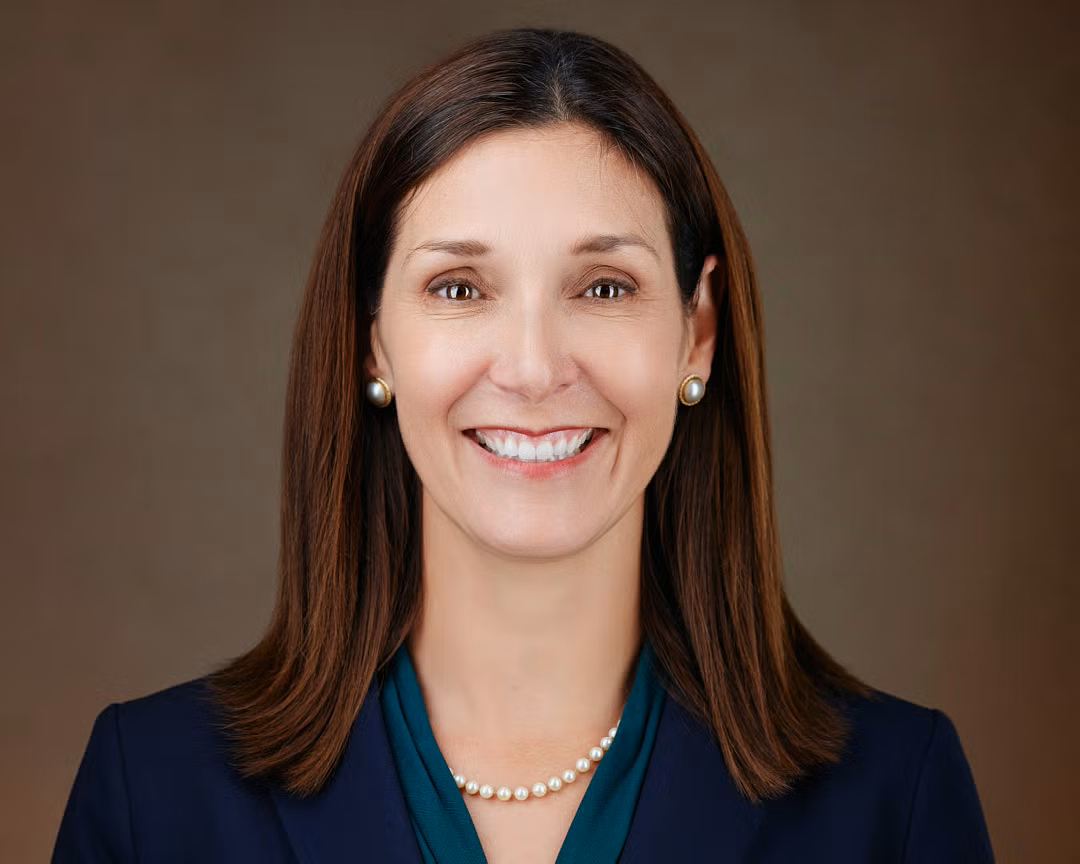
Jenny Black is a Certified Project Manager and owns and operates Jenny Black Consulting LLC, an information technology consulting company. She also serves as the manager for the following citrus and agricultural operations: Ridge Investments LLC, Black & Myers Properties, and BHB Holdings LLC. She is the chair AgFirst’s board, a director of Farm Credit of Central Florida and serves on the Farm Credit Council board.
Black was chosen to represent AgFirst at Farm Credit Council’s Advancing Women in Agriculture through Resilience & Distinction (AWARD) program. The leadership initiative will take place Aug. 31 – Sept. 3 in Gettysburg, Pa.
- What are your earliest memories of agriculture and how you did you first become involved in the industry?
My earliest memories of agriculture are visiting my grandfather’s farm. We lived in Tallahassee, Fla., and drove about 50 miles to Madison each week to spend time on my grandparents’ 400-acre cattle and row-crop operation. My grandfather was a World War II pilot and, in addition to farming, owned and operated a crop-dusting business that served neighboring farms. I occasionally flew with him, and I vividly remember flying underneath the telephone lines over the fields to spray crops. Those experiences made agriculture feel both adventurous and deeply rooted in family from a very young age.
- From your experience, what’s the important connection between technology and agriculture?
Like any modern business, technology has become a key differentiator for agribusinesses operating in a complex industry shaped by weather, natural disasters, disease pressures and shifting consumer preferences. We use technology in every aspect of our operation – from collecting data in the groves to managing transportation logistics and automating processes in the packinghouse. Technology allows us to gain efficiencies, control costs and remain competitive as production inputs and labor expenses continue to rise.
- What motivates your dedication to the Farm Credit System?
Farm Credit is a vital component in keeping American agriculture strong and prosperous. Today’s farmers need reliable financial tools to manage risk, expand operations and build businesses that can be sustained for future generations. It’s a privilege to serve Farm Credit as it fulfills its mission to provide financing to agriculture and rural America in both good times and challenging ones.
- What inspired you to pursue board service within the Farm Credit System?
Farm Credit took a chance on my husband and me as we began our business. We were young and willing to work hard, but we did not yet have the capital needed to carry his family’s citrus operation into the next generation. We remain deeply grateful for the trust Farm Credit placed in us then — and the continued confidence they have in our business today. Through board service, I hope to use my professional skills and industry experience to strengthen that mission and “pay it forward” so Farm Credit can continue serving future generations of American agriculture.
- Were there any women who influenced your career?
My seventh-grade teacher, Mrs. Heard, saw something in me that I didn’t yet see in myself. She encouraged me to participate in the countywide Tropicana 4-H Youth Speaking Contest, even though I had never attempted public speaking or participated in 4-H before. Winning that contest gave me the confidence to pursue leadership roles within 4-H.
My high-school 4-H leader, Mrs. Davis, deepened that foundation by teaching horticulture identification and instilling the importance of community service through our “Garden for the Homeless” project. I began to understand how leadership could influence community policy as we pursued grants and engaged local media to spread the word about our cause. From that point forward, I knew that whatever career path I chose, it would include both leadership and mission.
As I progressed through college and developed interests in business and technology, I never forgot what Mrs. Heard, Mrs. Davis and the 4-H mission instilled in me. When the opportunity arose to begin board service at Farm Credit of Central Florida, I knew I had found the perfect way to grow the seeds those women had planted.
- What guidance would you give women who are considering careers in agriculture or leadership roles within the industry?
I would encourage women to stay curious, seek mentors and not underestimate the value of their perspective. Agriculture and leadership both benefit from diverse viewpoints and practical problem-solving skills. You don’t need to have grown up on a farm to make a meaningful impact — there are opportunities in finance, technology, communications, research and governance that all support the industry. Most importantly, be willing to raise your hand for opportunities before you feel completely ready. Growth often comes from stepping slightly outside your comfort zone and trusting that your experience and work ethic will carry you forward.
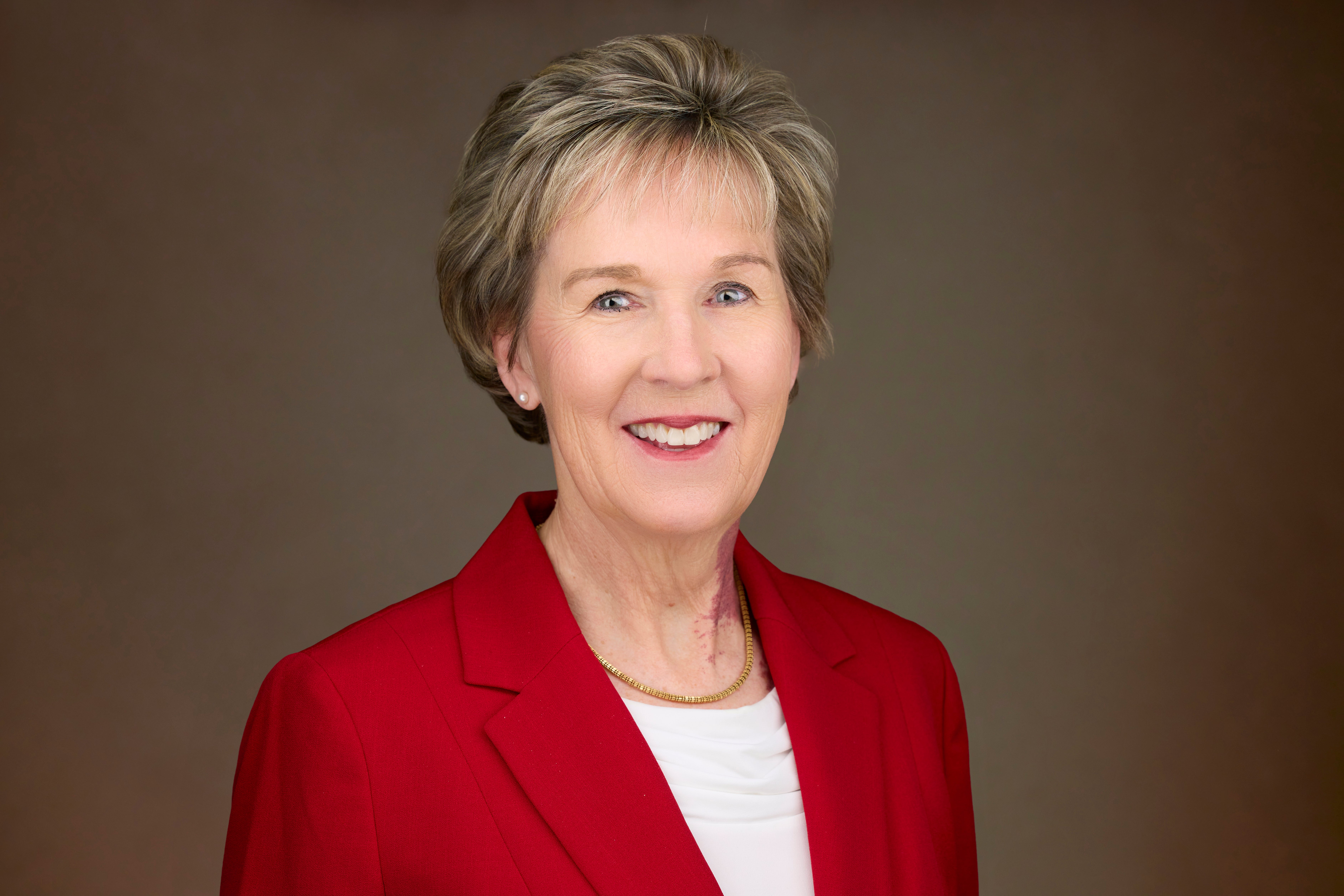
Jenny Rhodes owns and operates Deerfield Farms LLC, and Hillsdale Farm LLC, a poultry, grain and woodland operation with her two sons. The farms consist of 380 owned acres, including a four-house chicken farm producing organic broilers, cropland producing corn, wheat, soybeans, cover crops, conservation areas and a managed forest. She has grown broilers and been involved in the chicken industry for 35 years.
She is also employed as the Principal Agent for Agriculture and Food Systems, University of Maryland Extension, Queen Anne’s County, Maryland. She was the first chair of AgFirst’s District Legislative Advisory Committee and represents the AgFirst District on the national Farm Credit Council board.
- What are your earliest memories of agriculture and how did you first become involved in the industry?
I grew up on a farm, so agriculture has always been a part of my life. My parents ran a grain operation – corn, wheat, soybeans – and, over the years, also had dairy cattle and a beef herd. As the oldest of five children, I was on a tractor by the time I was eight. We never hired outside help; everyone pitched in.
My parents were the first to really believe in me. They taught us responsibility, a strong work ethic and what it means to care for the land. I was active in 4‑H and FFA growing up and later became a 4‑H leader when my two sons were involved and now even my grandchildren participate. Today I have several farms of my own, including a poultry operation where we raise organic chickens for Perdue, plus cropland, cover crops and managed forestland.
- Is there a particular experience that has shaped how you view agriculture today?
Farming in Maryland has probably shaped me the most. I often joke that farming here is like farming in a crime scene – you investigate, document and report everything because the regulations are so strict. That environment taught me how to advocate, to testify in Annapolis and to help farmers navigate the rules so they can stay compliant and profitable.
But really, it’s been a lifetime of experiences: growing up farming, 4‑H, FFA, even traveling internationally to study agriculture. My parents instilled in us a confidence to lead and not wait for someone else to hand us opportunities. It’s the combination of all those moments that shaped who I am.
- What motivates your service within the Farm Credit System?
Most directors have a “Farm Credit story” and I’m no different. Years ago, when my marriage ended, my ex‑husband wanted to sell the farm. I refused. I grew up on a farm and wanted my children to have the same upbringing. When I tried to refinance, the local bank said they would only do it if my parents co‑signed, even though they hadn’t needed to the first time.
That’s when Farm Credit stepped in. My loan officer, Kenny Bounds, believed in me. He became an unexpected mentor who gave me the chance to keep my farm. Because of that support, I was able not only to hold on, but later purchase additional farms. Both of my sons farm now as well.
Serving on the AgFirst, Farm Credit Council and Horizon boards is my way of giving back. I want to make sure other farmers, no matter their size, have the same opportunities and support that I did.
- Is there a woman who influenced your career?
My mother, without question. She worked alongside my father in the fields and taught us the value of doing whatever needed to be done. Growing up, I saw other women in my family and community doing the same—working equipment, helping with crops and contributing equally.
Because of that influence, I – along with another woman ag agent – built a strong Women in Agriculture program within University of Maryland Extension. Our Mid‑Atlantic Women in Agriculture Conference is now in its 25th year. We’ve hosted incredible women, including those who immigrated here, bought farms and built successful operations against the odds.
Seeing women find their path in agriculture is one of the most rewarding parts of my work.
- What guidance would you give women who are exploring careers or leadership roles in agriculture?
First, do what you love. If you love it, it won’t feel like a job. Leadership also doesn’t always mean being out front. You can lead quietly – by listening, mentoring or simply supporting others. Surround yourself with people who are smarter than you, that’s how you grow.
I’m a big believer in setting goals, both long‑ and short‑term. Checklists work! And don’t overthink things. Be yourself and trust that leadership can happen at any stage of life.
Women juggle a lot – kids, farms, work, community – but there’s no single right way to do it. You find what works for you.
Leading the way forward
As agriculture continues to evolve, leaders like Jenny Black and Jenny Rhodes remind us that progress doesn’t happen by accident, it’s cultivated through courage, community and a deep love for the land. The future of agriculture depends on leaders who are willing to think bigger, fight harder and lift others higher. These leaders embody all three. We celebrate women like them who lead with purpose and pave the way for those who follow.